
Many of my friends here at Gonzaga feel drawn to a nontraditional path after college. For some that means delaying their career to travel around the world, others choose to serve with the Peace Corps, Jesuit Volunteer Corps or Teach For America. Still others mean they want to find a career that allows them to work towards the upliftment of their brothers and sisters around the world. After reflecting on my own desire to travel and dedicate my life to the service of others, I’ve realized that this emerging generational desire to travel, serve and find meaningful work is a result of the quest for purpose in the modern age. In many ways, we live in a golden age of human achievement. Ever since the industrial revolution at the turn of the 19th century, disruptive technology has resulted in an increase in mass prosperity in Europe and North America. Smartphones, the internet of things, digital personal assistants, GPS, social media, iPods, tablet personal computing and hybrid cars are the latest iterations of this cycle. While these technologies have improved our lives by saving us time and offering us convenience, we’re busier than ever. Rather than dedicating the bulk of our time pursuing basic physiological and safety needs, we’re aiming to fulfill higher needs for self-esteem and self-actualization. Self-actualization is a natural state human beings gravitate towards as their basic needs are met. It involves moving further and further up the hierarchy of needs until you have a deep understanding of you inner values and morals and live according to them. According to Abraham Maslow in his book “Motivation and Personality“, there are many benefits to society and individuals as they move closer to self-actualization:
- The pursuit and gratification of higher needs have desirable civic and social outcomes. The higher the need, the less selfish it must become, so people who have enough basic satisfaction to look for love and respect rather than food and safety tend to develop qualities such as loyalty, friendliness, and civic consciousness, and become better parents, husbands, teacher, public servants, etc.
- Higher need gratifications produce more desirable subjective results (more profound happiness, serenity, and richness of inner life)
- The pursuit and gratification of higher needs leads to greater, stronger, and truer individualism. People living at the level of self-actualization simultaneously love mankind most and are the most developed idiosyncratically.
Traditional post-college paths emphasize security, but increasingly young people are seeing to identify purpose and meaning in their lives as they attempt to fulfilling their higher needs for self-esteem and self actualization. In my mind, there are three primary reasons young people are choosing to pursue travel, service and impact careers:
1. We feel disconnected from the world
The United States is heavily insulated from the rich multiculturalism that defines the world today. Students rarely learn second or third languages, US news services give more coverage to the latest pop culture trend/scandal than meaningful international events (Left Shark anyone?), and the emphasis on geography in schools is abysmal. According to a National Geographic survey from 2006:
- Only 37% of young Americans could find Iraq on a map
- 6 in 10 young Americans didn’t speak a foreign language fluently.
- 20% of young Americans thought Sudan was in Asia.
- 48% of young Americans believed the majority population in India was Muslim, not Hindu.
- Half of young Americans couldn’t find New York on a map.
- Fewer than 30% of young Americans thought it was necessary to know where countries featured in the news were located
- Fewer than 20% owned a world map.
We live in the age of globalization and interconnectedness, and thanks to the internet and the proliferation of accessible information, more young people are realizing their relative insulation and are beginning to cultivate a global identity and perspective. As they strive to find purpose and meaning, young people are increasingly trying to connect stories of human pain and suffering to places on a map. Young people from privileged backgrounds are realizing that their lives are not “normal” experiences in our modern world, and this spurs them to travel and find their place in the global community.
2. We recognize the world is broken and empathize with the marginalized
This will make sense in the context of a quick story: When I was in Chennai, India with the Opus Prize, I was blessed to get to meet many “Dalits”, known in the US as “Untouchables”, who live in the slums of Chennai. When I looked into their eyes, I saw myself looking back at me. We didn’t speak the same language and were different in many ways, but we shared an essential element of humanity that I could immediately relate to. That has stuck with me… nothing explains why its them and not me sleeping under tarps and scrap metal. 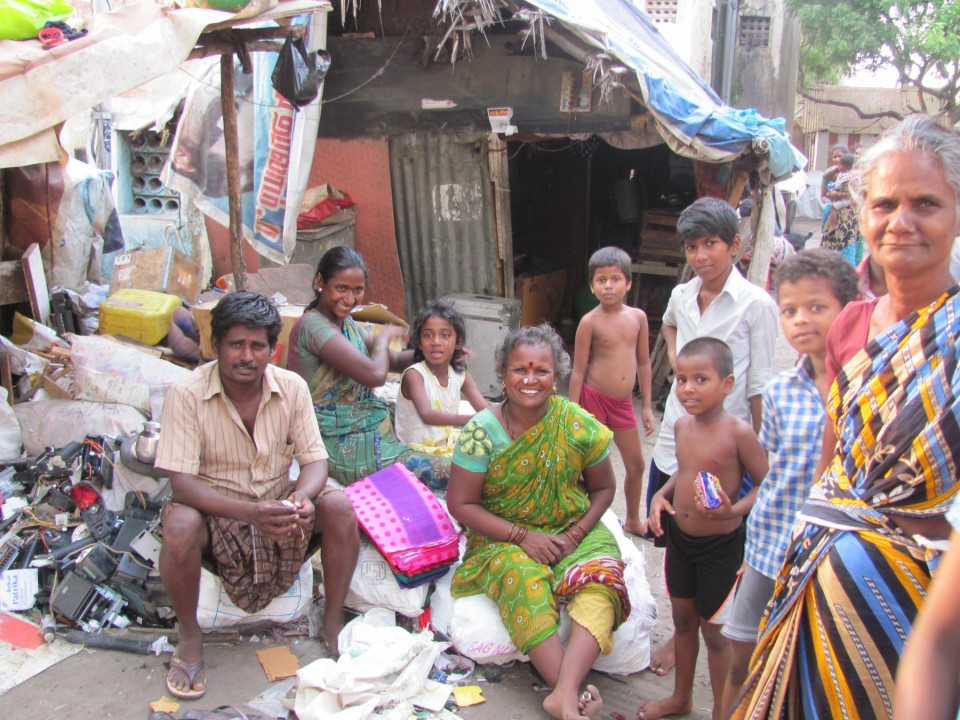
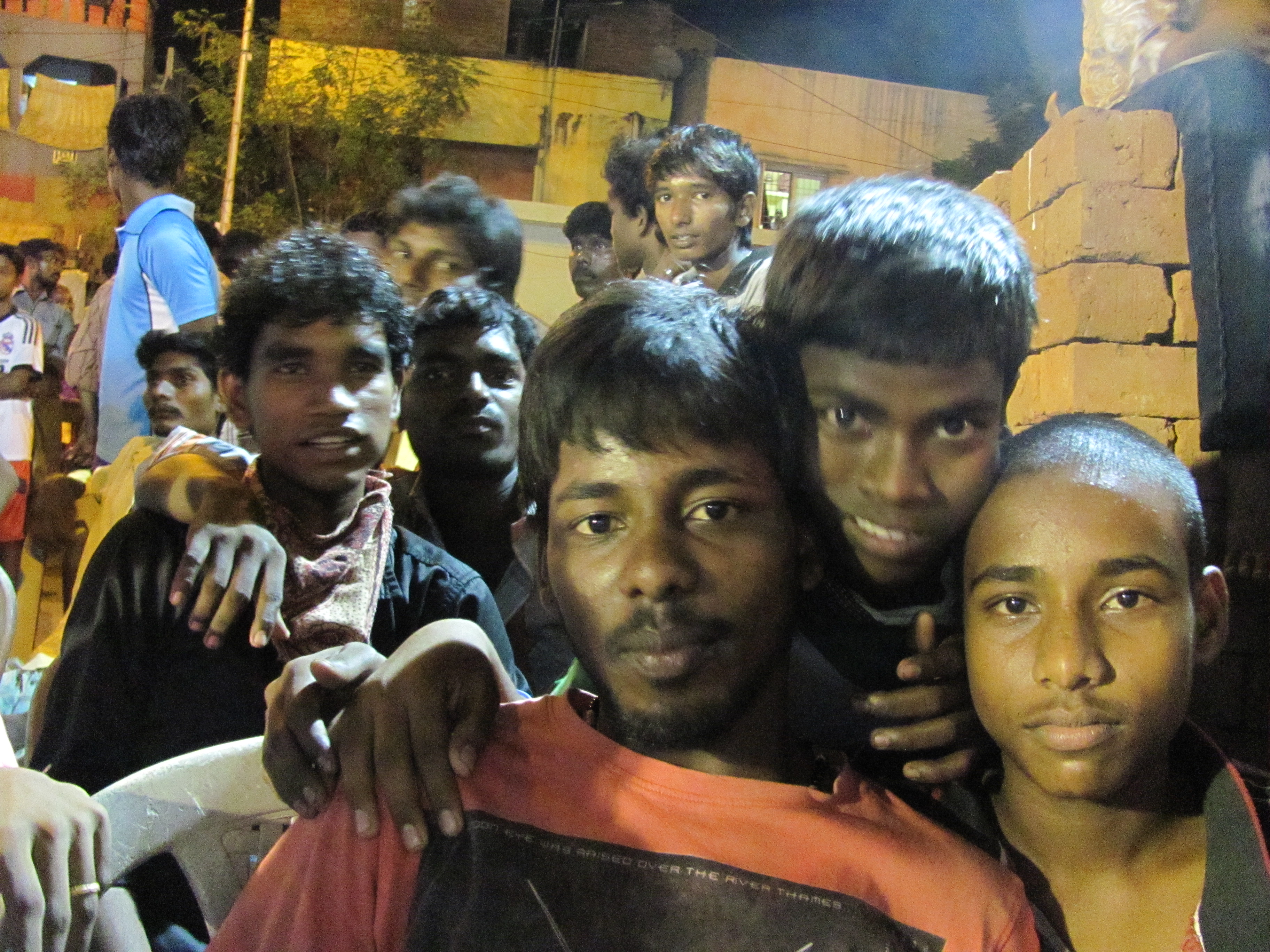 That is what I mean when I say the world is broken. Some of us win the genetic lottery and have access to opportunities that are simply out of the question for much of the rest of the world. This is where empathy comes in: Because I can imagine myself in their shoes, I feel a moral obligation to use my privilege to work towards universal access to opportunity, happiness and basic human dignity.
3. We recognize we’re spiritually impoverished and need help from the poor to remedy it
One of the best short articles I’ve ever read on this subject is titled We See From Where We Stand. Its by a man named David Diggs who lived in Haiti from 1988-1997 and co-founded the nonprofit Beyond Borders. When speaking about his experiences with visiting groups from the US, he says: “The more time I spent with visiting work groups, the more I saw them as rich refugees from the material world who came to Haiti hungering for more meaning in their lives. A week of really being with the poor of Haiti could have awakened them from their neediness and opened them to seeking the deep changes that world bring lasting satisfaction. But they were always so busy ‘helping’ the Haitians, that they never found time to be with them… the closer we stand with the poor, the more we can see from their perspective. Important things that were one invisible to us become clear. We see that we are all in need, rich and poor. The poor know they are in need. By contrast, we, the wealthy and powerful of the world, are often oblivious to our needs. We frantically try to fill our emptiness with more and more stuff, more and more activity, but without satisfaction. Our endless pursuit of material wealth is a sign of our spiritual poverty. But being with the poor — as opposed to merely doing things for them — can bring a spiritual awakening and be the beginning of our liberation. We see from where we stand, and , for many of us, to stand with the poor is to begin to see God for the first time.” Traditional post-college paths promise security and stability, but they don’t often allow much space to discover yourself. For young people in my generation, that is a crucial piece of their quest for purpose and meaning. I believe that the trend towards alternative post-graduate paths is here to stay, and this new stage of life will generate the social changemakers our world so desperately needs.


 Aaron Danowski